
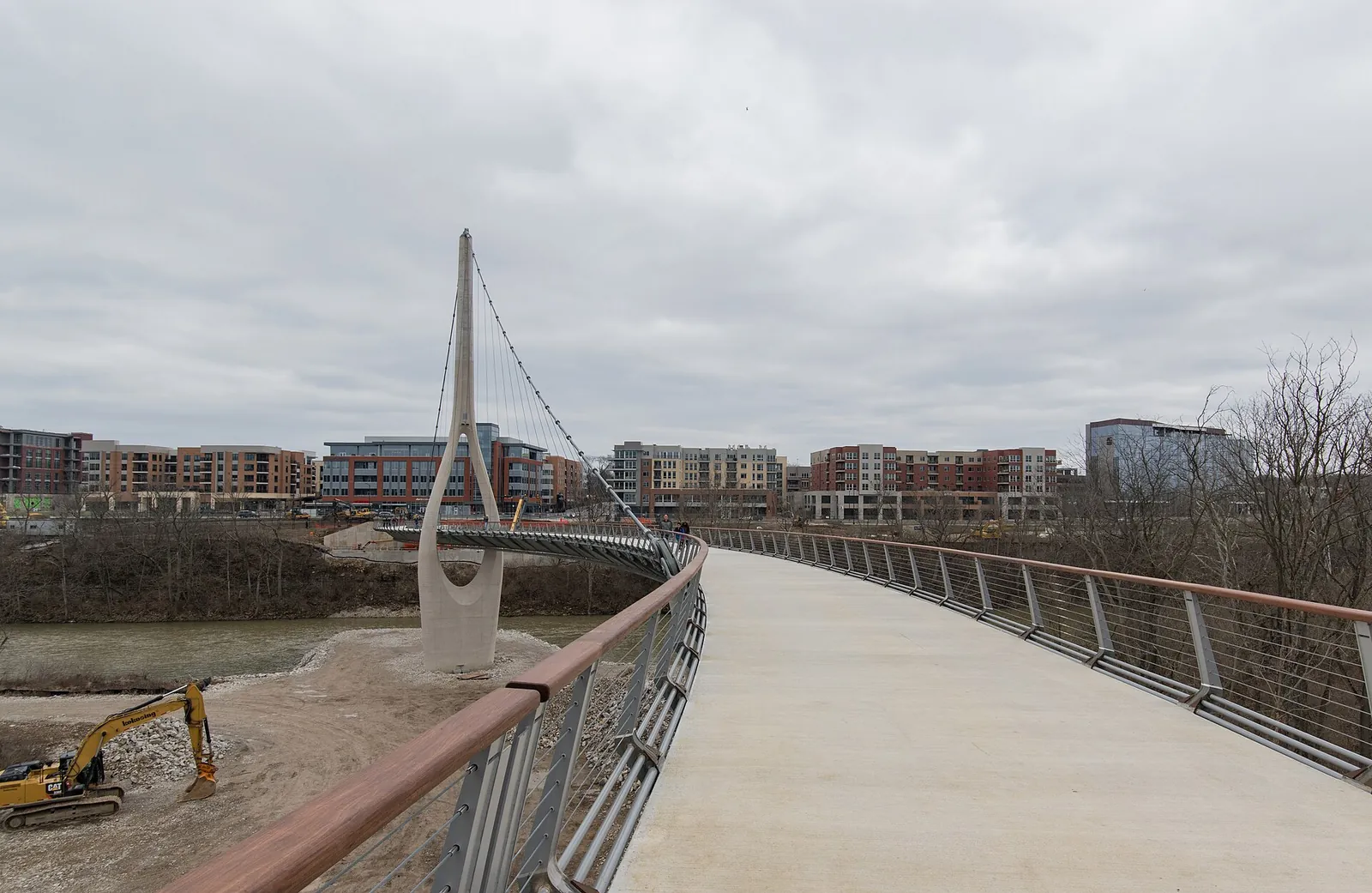
Which side of the river is the vehicle on?
A walk across the pedestrian bridge can leave you describing your current location rather than your parking location. If the keys are inside the car, provide the parking facility or street, entrance, and level where the vehicle is actually parked. A bridge landmark can support those details, but should not replace them.
For a remote or key problem, note whether the vehicle still unlocks, whether the physical key works, and whether it recognizes the key for starting. Have the year, make, and model ready so compatibility can be discussed before any replacement is assumed possible.
A move changes the key question
When moving into a Dublin home, the useful question is often who still has a working key. Rekeying may change access while retaining suitable hardware. If several doors should share a key, their cylinders need to be compatible; the appearance of the handles alone does not settle that.
Count keyed cylinders and identify separate entrances before requesting work. If you rent, coordinate any change with the property owner or manager, including how authorized spare keys should be handled.
Keep business access specific
At a commercial property, a public entrance and a staff-only door may have different requirements and permissions. Explain which door is affected and whether its key, latch, handle, or closing action is at fault. A door that fails to latch needs more description than simply 'the lock is broken.'
Ask about current availability for the precise Dublin address, the assessment needed, and the proposed charges. Any additional repair or hardware change should be explained before it is approved.
A few questions, answered.
Can I use the Dublin Link as the location for a lockout?
Use it as nearby context, then give the actual parking location and which side of the river it is on. The bridge itself is a pedestrian connection, not a vehicle location.
Local background: Local reference