
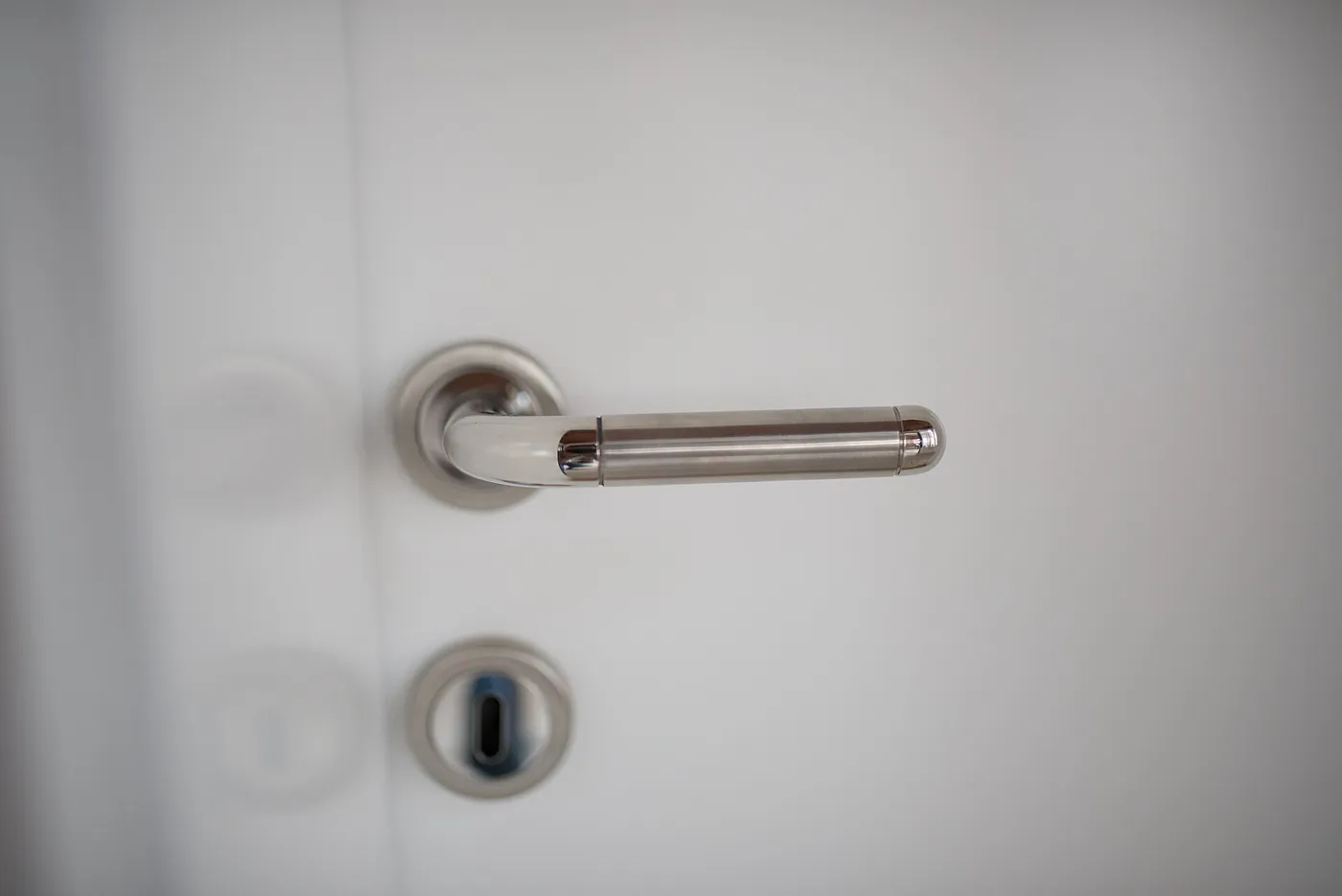
What changed at the door?
There is a difference between a working lock with the key on the other side, a key that no longer turns, and a door that will not close. Those details point to different kinds of work. If you have a key, explain whether it enters the cylinder fully and whether the handle or deadbolt moves. Do not keep forcing a key that feels bent or stuck.
For a vehicle, have its year, make, and model ready. Mention whether the key is visible inside, missing completely, or present but unresponsive. A key locked in the trunk is also worth identifying at the beginning, because the available access method depends on the vehicle.
A useful location is more than a landmark
Near Broadway or a park, a recognizable landmark helps establish the area, but it does not identify the door or parking space. Use the street address, nearest entrance, and any visible lot or building name. If you are inside a parking structure, add the level and the vehicle's position rather than only naming the business you visited.
For a shared building, make clear whether the problem affects the outside entrance, a private unit, or an internal room. Access authorization and the relevant property contact may be different for each. Have identification and any available proof of your connection to the property or vehicle ready to discuss.
Agree on the next step before work begins
Ask what assessment is needed, which charges may apply, and how changes in scope will be explained. Opening a door does not automatically mean the lock needs replacing. If damage or a failed component is found, request an explanation of the repair options before authorizing additional work.
If a person or animal is in immediate danger, contact emergency services first. For an access problem without immediate danger, wait somewhere safe and avoid improvised tools that can damage the door, glass, or weather seals.
A few questions, answered.
Does an emergency request guarantee an arrival time?
No. Share the exact address and problem when you call, then ask about current availability and the expected arrangements for that request.
Will a lockout always require a new lock?
Not necessarily. The condition and type of lock, and the reason access was lost, determine whether opening, adjustment, repair, or replacement should be discussed.
Local background: Local reference · Local reference