
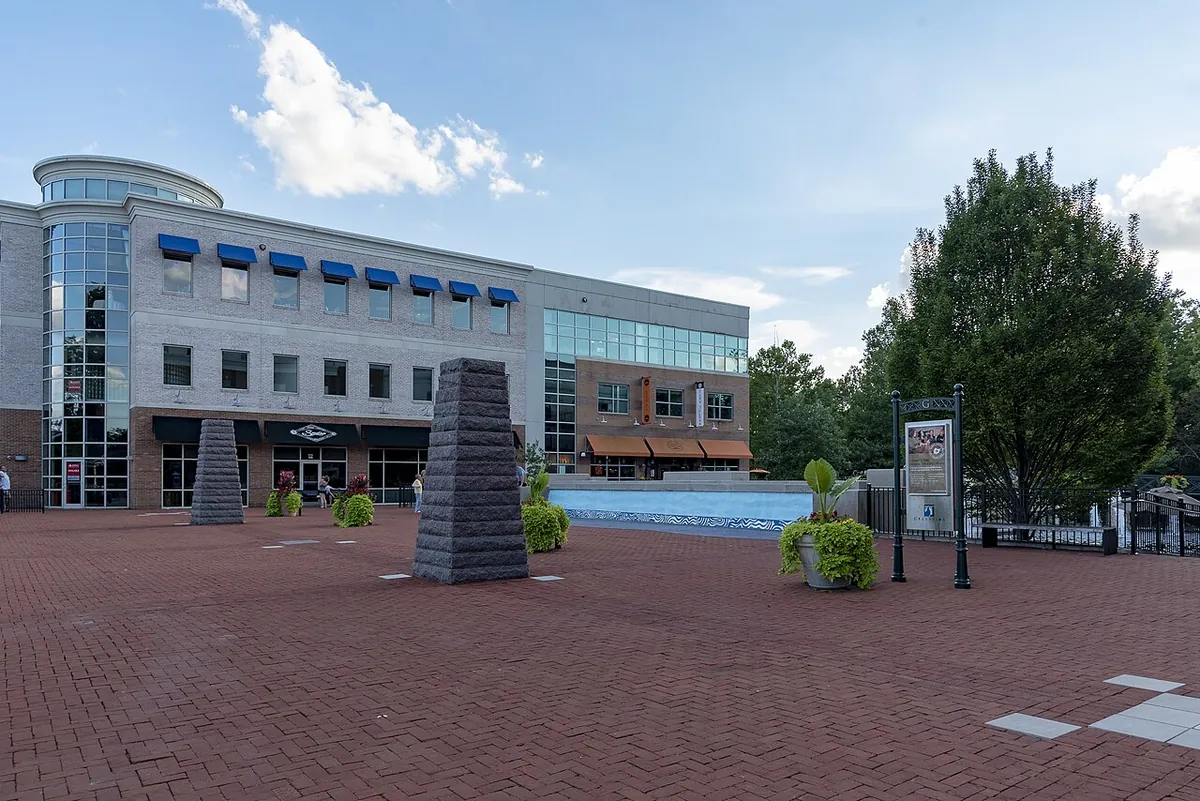
A Creekside visit can end in a different parking area
When a key is locked in the car after time by the creek, share where the car is parked rather than only naming the park or restaurant. A lot name, posted entrance, and nearby business can help make the location clear. Include the vehicle's year, make, and model.
If you still have a key, distinguish between remote buttons that do not respond and a mechanical key that will not turn. If all keys are missing, say so before discussing replacement options; that is different from preparing an additional spare.
Treat a shop entrance and a staff door separately
For a business, identify whether customers, staff, or deliveries use the affected entrance. A glass shopfront and a rear service door may use different hardware. Explain whether the issue is locking, unlocking, closing, or latching, and arrange any necessary property authorization.
A missing staff key may call for a change in key access rather than new handles throughout the property. Make a list of the doors that key operates and ask which existing cylinders are suitable for rekeying.
Make home access easier to understand
At a house, note whether a stubborn deadbolt works normally while the door is open. That can be useful when assessing alignment and should not be confused with a request for a new key alone. Do not force the key or bolt to overcome resistance.
Discuss the precise Gahanna address, current availability, and proposed charges before work is arranged. Useful details at the start help keep a lockout, a key change, and a hardware repair from becoming one vague request.
A few questions, answered.
What if the business address has several entrances?
Identify the affected door by its position and use, such as the customer entrance or rear staff door, and explain how it can be reached.
Local background: Local reference